
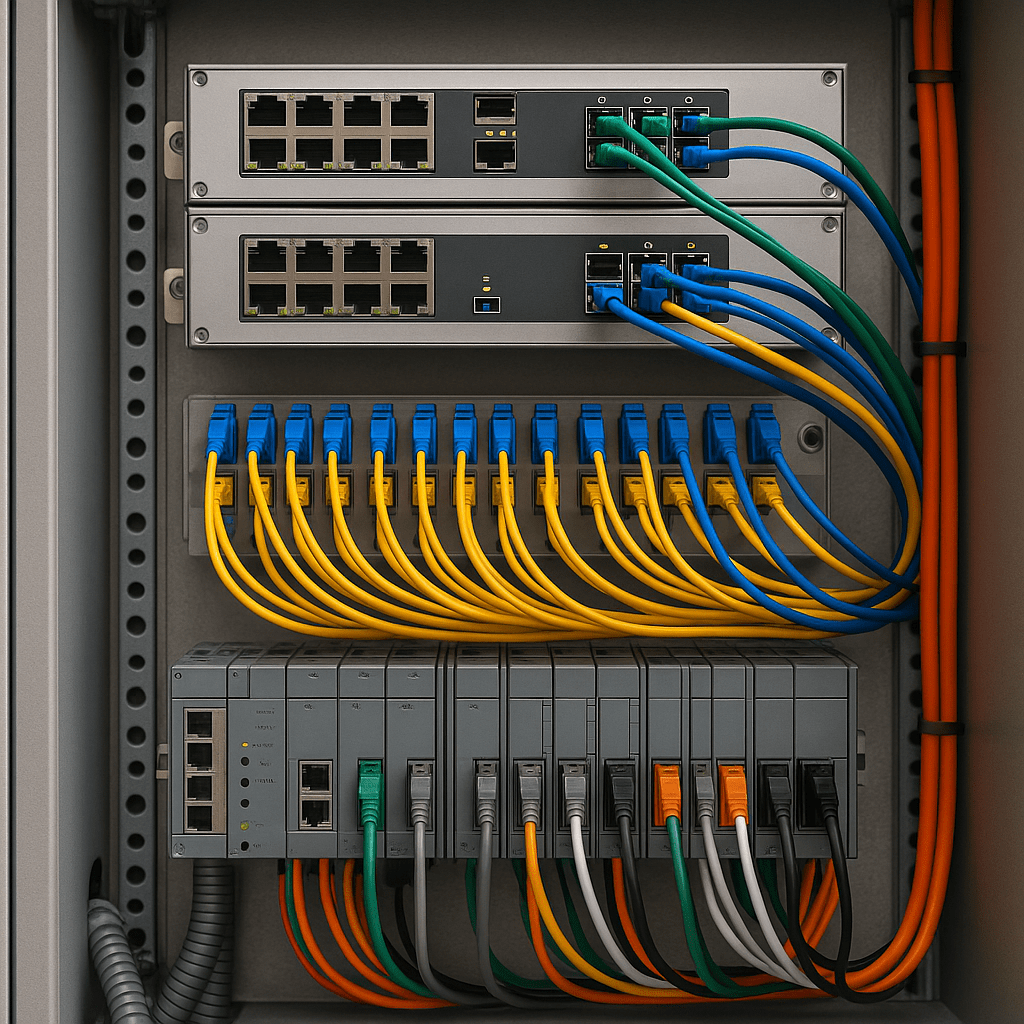
Industrial and enterprise network infrastructure depends on the people who design, build, and maintain the technologies that keep the modern world connected. As demand grows across electrical wire and cable, fiber optics, automation, and semiconductor markets, companies increasingly rely on highly specialized professionals to support growth and maintain competitiveness. This makes industrial and enterprise network infrastructure talent one of the most valuable assets companies can secure today.
As the industry evolves, understanding the talent behind this progress becomes essential. With that foundation in mind, we can explore the forces shaping this market and why companies must approach hiring with strategy and precision.
The Forces Driving Today’s Infrastructure Landscape
Growing Connectivity Requirements
Connectivity has become a utility. Modern operations—from manufacturing to logistics to telecom—depend on fast, reliable, and secure data flow.
Key factors include:
- The rise of cloud computing and edge processing
- Increased adoption of IoT sensors in industrial environments
- Growth in data centers and enterprise networks
- Demand for high-capacity fiber optic communication systems
As organizations modernize, they require talent capable of integrating electrical, optical, and automated systems. This shift sets the stage for deeper changes across the sector.
As demand grows for advanced infrastructure, the technical skill sets required are becoming more specialized and more interconnected than ever before.
The Talent Powering Industrial & Enterprise Infrastructure
Engineering and Technical Professionals
These experts form the core of innovation and operational reliability.
Electrical and Electronic Engineers
- Develop and test wire and cable systems
- Improve power distribution design
- Support industrial electrical infrastructure upgrades
- Ensure compliance with industry and safety standards
Fiber Optic Engineers and Technicians
- Install and manage optical communication systems
- Perform splicing, termination, and signal testing
- Support high-bandwidth enterprise network expansion
Automation and Controls Engineers
- Integrate PLCs, motion control, and networked automation
- Implement robotics and machine communication systems
- Bridge operational technology (OT) and information technology (IT)
Semiconductor Engineering Talent
- Manage fabrication and cleanroom processes
- Develop power management and conversion devices
- Improve product reliability and manufacturing yield
While technical roles drive innovation, companies also rely on strong operational and leadership professionals who convert engineering vision into scalable execution.
Leadership and Operations Roles Supporting Growth
Operations and Manufacturing Leaders
These professionals guide teams, processes, and production environments.
Plant Managers and Operations Directors
- Lead daily manufacturing performance
- Oversee workforce development and training
- Drive efficiency, safety, and continuous improvement
Quality and Reliability Leaders
- Establish system and product reliability standards
- Ensure compliance with customer specifications
- Manage root-cause investigations and corrective actions
Supply Chain and Materials Specialists
- Navigate global and regional sourcing
- Manage vendor qualification and logistics performance
- Reduce risk in critical component availability
With both technical and leadership roles in high demand, industries now face significant talent shortages that influence production timelines and long-term planning.
Why Talent Shortages Continue to Intensify
Shifting Workforce Dynamics
Several industry-wide factors contribute to a tightening talent market:
Retirement of Experienced Professionals
Much of the skilled legacy workforce is nearing retirement, creating an urgent knowledge gap.
Rapid Tech Evolution
Advances in automation, robotics, and semiconductor design require ongoing skill development that many teams struggle to maintain.
Reshoring and Domestic Production Growth
More companies are returning manufacturing operations to the U.S., increasing the need for engineers and technical specialists.
Cross-Industry Competition
Fiber optic, electrical, semiconductor, automotive, and robotics companies often compete for the same talent pool.
Geographic Talent Gaps
Many organizations operate in regions with limited access to niche technical expertise.
Because of these challenges, candidates are becoming more selective, and understanding their motivations is key to attracting them.
What Top Talent Looks For Today
Shifting Candidate Expectations
Industrial and enterprise network infrastructure talent seeks more than compensation. They prioritize:
Career Development Opportunities
- Exposure to emerging technologies
- Hands-on innovation experience
- Opportunities for advancement
Healthy Company Culture
- Clear leadership communication
- Strong team alignment
- Stability and long-term vision
Meaningful, Impact-Driven Work
- Projects that influence how industries operate
- Work that contributes to modernization and efficiency
To meet these expectations and remain competitive, companies often require guidance from industry-focused partners who understand both the technical landscape and the talent market.
How Specialized Talent Partners Create an Advantage
Why Industry Expertise Matters
A general recruiting approach cannot meet the complexity of industrial and enterprise network infrastructure hiring. Companies benefit from working with specialists who understand technology, terminology, and market dynamics.
Industry-Specific Insight
- Knowledge of electrical wire & cable, fiber optic systems, automation, robotics, and semiconductor markets
- Understanding of the regulatory and technical environments shaping each sector
Access to Passive Talent
- Connections to professionals not actively job searching
- Long-term relationships built across technical industries
Comprehensive Vetting Processes
- Evaluation of technical capability
- Assessment of leadership and communication style
- Cultural alignment analysis
Reduced Time-to-Hire
- Faster sourcing through specialized networks
- Smoother interview and placement coordination
As companies plan for the future, talent strategy must evolve alongside technology—and that requires a partner who understands both.
Industrial and enterprise network infrastructure depends on the expertise of engineers, technicians, leaders, and specialists who bring complex technologies to life. As demand accelerates across electrical, optical, automation, and semiconductor markets, companies must adopt a more strategic, forward-looking approach to hiring.
With the right talent in place, organizations can strengthen innovation, improve reliability, and position themselves to lead in a rapidly evolving technological landscape.
Ready to Strengthen Your Team?
Harco Group specializes in connecting companies with the industrial and enterprise network infrastructure talent they need to grow.
If you’re hiring for engineering, operations, leadership, or technical commercial roles, contact Harco Group today and start the process with a partner who understands your industry.